

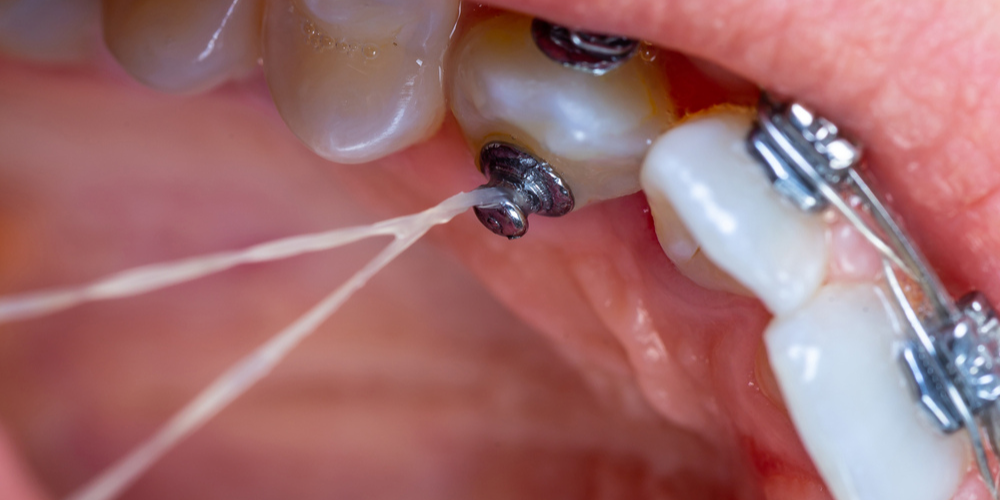
There is something about those deep grooves on the back teeth that most of us never really think about. They sit quietly at the back of the mouth, doing all the heavy chewing, collecting tiny food particles along the way. For children and teenagers especially, these molars can be surprisingly hard to clean properly. Even with regular brushing, plaque can settle into the narrow fissures on the occlusal surface, increasing the risk of tooth decay. This is where fissure sealants as a preventative option often come into the conversation.
Fissure sealants are part of preventative dentistry. They are designed to offer enamel protection by covering the deep grooves in teeth that are prone to food and plaque retention. Rather than waiting for decay to develop and then treating it, sealants focus on early intervention dentistry and reducing risk from the start.
What Are Fissure Sealants and How Do They Work?
Fissure sealants are a protective dental coating applied to the chewing surfaces of molars and premolars. These back teeth often have natural pits and fissures that can trap bacteria and plaque, particularly in school aged dental care settings where brushing technique may still be developing.
The dental sealant application process is straightforward and non invasive. The tooth is cleaned, dried, and prepared so that a clear or tooth coloured material can bond to the enamel. Once placed, the sealant forms a smooth surface over the grooves, making it easier to keep clean with regular brushing and fluoride.
Sealants do not replace good oral hygiene. They are designed to complement brushing, flossing, fluoride exposure and regular child dental check ups. When combined with ongoing dental hygiene support and decay risk assessment, they can form part of a broader caries prevention strategy.
Why Are Molars More Prone to Decay?
Permanent molars usually erupt around the age of six and again in early adolescence. These teeth have wide chewing surfaces with deep grooves that are naturally more vulnerable to plaque accumulation. Even children who brush twice daily can struggle to clean these hard to clean molars effectively.
Because the enamel in these grooves may be thinner, bacteria can settle and produce acids that gradually weaken the surface. Over time, this may lead to tooth decay. Preventative oral care for children often focuses on protecting these back teeth early, especially when they first erupt.
Who May Benefit from Fissure Sealants?
Suitability for fissure sealants is always based on individual assessment. During a routine dental clinic visit, the clinician will consider factors such as:
- Depth of grooves on the occlusal surface
- Past history of tooth decay
- Dietary habits
- Oral hygiene routine
- Fluoride exposure
Children and teenagers are commonly considered for sealants soon after their permanent molars appear. However, adults with deep fissures and increased decay risk may also be assessed.
Sealants are typically applied to back teeth only. They are not used on smooth surfaces where brushing is already effective. The aim is targeted enamel protection where it is most needed.
How Long Do Fissure Sealants Last?
Fissure sealants are durable but not permanent. Over time, normal chewing can cause wear. That is why they are checked during routine dental visits. If a sealant becomes worn or partially lost, it may be repaired or replaced following review.
Regular monitoring forms part of preventative dentistry. Sealants work best when maintained alongside ongoing oral health education and professional review.
How Do Fissure Sealants Fit into Preventative Dentistry?
Preventative dentistry focuses on reducing the risk of problems before they develop. This includes:
- Regular dental check ups
- Fluoride guidance
- Diet and enamel protection advice
- Early identification of risk factors
- Protective treatments such as fissure sealants
Rather than waiting for a cavity to form, preventative approaches aim to reduce the conditions that allow decay to start. Fissure sealants are one of several tools available to support caries prevention.
What Does the Evidence Say About Sealants?
Australian oral health authorities recognise fissure sealants as an effective preventive measure for reducing decay risk in susceptible molars when applied appropriately. Public health guidance highlights their role in school aged dental care and targeted preventive programs.
How Does Melville Dental Care Support Preventative Oral Health?
At Melville Dental Care, preventative oral care for children and families is at the heart of what we do. Our approach focuses on education, early intervention dentistry and practical strategies that fit into everyday life. When discussing fissure sealants, we take the time to assess individual risk, explain how dental sealants work, and outline what ongoing maintenance involves.
We understand that every smile is different. That is why we provide tailored decay risk assessment rather than a one size fits all approach. From child dental check ups to enamel protection strategies, our team is committed to supporting long term oral health in a calm and informative environment. If you are considering fissure sealants as part of your child’s preventive care plan, we are here to guide you through the process clearly and thoughtfully.
Educational Overview of Fissure Sealants
| Category | Information Focus | Key Points |
| Purpose | Protective coating placed over deep grooves | May reduce decay risk in fissures |
| Suitability | Based on individual decay risk assessment | Children and teenagers commonly assessed |
| Procedure | Cleaning, drying, bonding, application | Quick chairside procedure |
| Maintenance | Checked during routine dental visits | May require review or replacement |
| Complementary Care | Brushing, fluoride, diet | Sealants support but do not replace hygiene |
How Does Melville Dental Care Support Preventative Oral Health?
At Melville Dental Care, preventative oral care for children and families is at the heart of what we do. Our approach focuses on education, early intervention dentistry and practical strategies that fit into everyday life. When discussing fissure sealants, we take the time to assess individual risk, explain how dental sealants work, and outline what ongoing maintenance involves.
We understand that every smile is different. That is why we provide tailored decay risk assessment rather than a one size fits all approach. From child dental check ups to enamel protection strategies, our team is committed to supporting long term oral health in a calm and informative environment. If you are considering fissure sealants as part of your child’s preventive care plan, we are here to guide you through the process clearly and thoughtfully.
References
Australian Dental Association
https://www.ada.org.au
Australian Government Department of Health and Aged Care Oral Health Information
https://www.health.gov.au
The Royal Children’s Hospital Melbourne Oral Health Factsheets
https://www.rch.org.au
Frequently Asked Questions
Are fissure sealants painful to apply?
No drilling or injections are usually required. The process is non invasive and focuses on cleaning and bonding the material to the tooth surface.
At what age are fissure sealants usually considered?
They are often considered once permanent molars erupt, commonly around six years of age, following individual assessment.
Do sealants replace brushing and flossing?
No. They are designed to complement good oral hygiene practices, not replace them.
Can adults have fissure sealants?
In some cases, adults with deep grooves and increased decay risk may be assessed for suitability.
How are sealants checked?
They are reviewed during routine dental visits to ensure they remain intact and functional.
Are sealants permanent?
They are durable but may wear over time. Regular monitoring ensures they continue to provide protection.
Disclaimer
All dental procedures involve potential risks and benefits. The information provided in this blog is general in nature and should not be taken as medical advice. We recommend that you seek guidance from a suitably qualified health professional before making decisions about your oral health. Where appropriate, you may also wish to consider obtaining a second opinion.
Any images or videos featured are shared with the informed consent of our patients and are intended for educational purposes only. They are not a guarantee of results, as every patient is unique. Treatment outcomes — including recovery, potential complications, and effectiveness — can vary from person to person.